Know Your Customer: Why Financial Institutions Need to Know Who You Are

Access this Resource
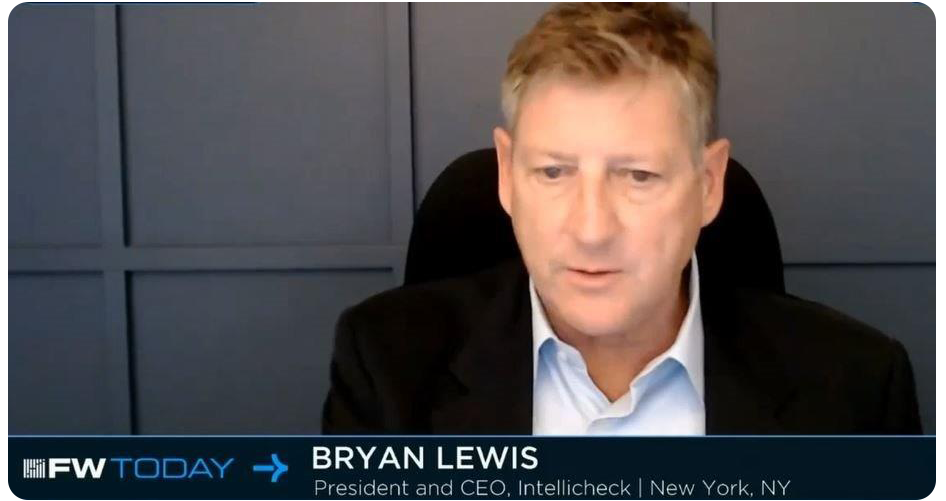
Author

RESOURCE Info
Mentioned in this article
A straightforward guide to KYC compliance — and the technology that makes it smarter
You sit down to open a new bank account or apply for a credit card, and suddenly you're handing over your driver's license, a utility bill, or maybe even your Social Security number. It can feel like the bank doesn’t trust you. But there's a solid reason banks, credit unions, and other financial institutions (FI) ask for this, and frankly, a very good reason you should want them to.
That process has a name: Know Your Customer, or KYC. It's one of the most important — and most misunderstood — practices in modern finance.
What Is KYC?
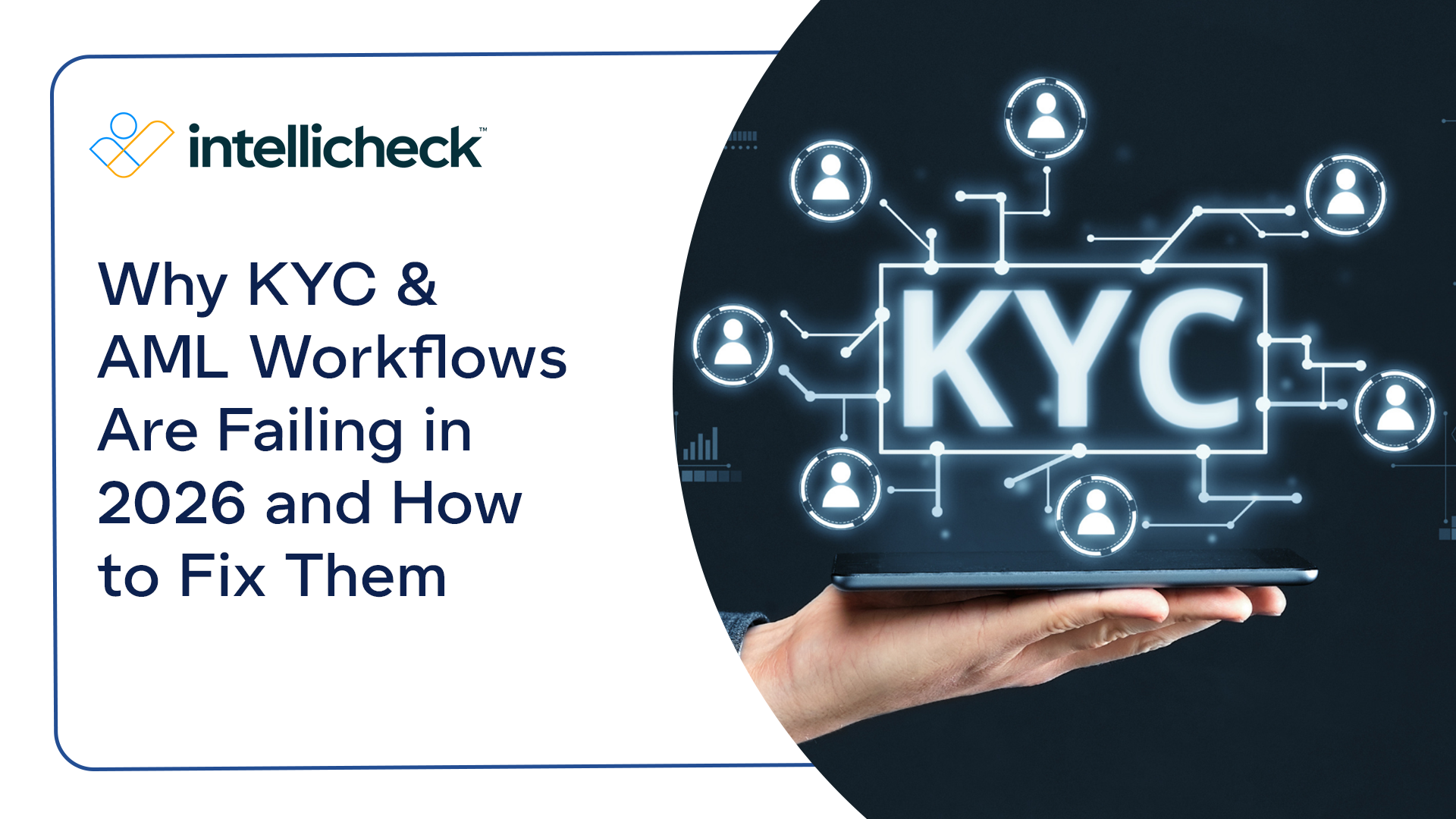
KYC is the process by which a financial institution verifies that you are who you say you are. Before a FI opens an account, extends a loan, or allows someone to transfer funds, it is legally required to verify the customer's identity, understand the nature of their financial activities, and assess whether they pose a risk of financial crime.
In practice, KYC has five core pillars:
- Customer Identification Program (CIP): Collecting and verifying basic identity information: name, date of birth, address, and a government-issued ID number.
- Customer Due Diligence (CDD): Understanding the purpose of the account and the expected pattern of transactions.
- Enhanced Due Diligence (EDD): A deeper dive for higher-risk customers, such as politically exposed persons (PEPs) or those with complex international business structures.
- Ongoing Monitoring: Continuously observing transaction activity patterns that appear inconsistent with the customer's profile and flagging suspicious behavior for review or SAR (Suspicious Activity Report) filing.
- Record Keeping: Maintain identity verification records, transaction histories, and due diligence documentation for at least 5 years (per FinCEN requirements) to enable regulators to audit the institution's compliance trail.
KYC is not a one-time checkbox. FIs are expected to monitor customer behavior on an ongoing basis and update records whenever a significant change occurs.
A Brief History
KYC grew out of decades of hard lessons about how the financial system was exploited.
The roots trace back to the U.S. Bank Secrecy Act of 1970, which initially required financial institutions to maintain records to help identify, detect, and prevent money laundering. However, the modern KYC framework evolved after the September 11, 2001, terrorist attacks. The USA PATRIOT Act significantly expanded anti-money laundering (AML) requirements and made customer identity verification a non-negotiable federal obligation.
Since then, regulators have continued to raise the bar. In 2016, the Financial Crimes Enforcement Network (FinCEN) added the Beneficial Ownership Rule, which requires banks to identify the actual individuals behind corporate accounts — closing a loophole that criminals had long exploited through shell companies.
Today, KYC is a global standard. Whether you're opening an account in New York, London, or Singapore, FIs are required by law to know their customers. The penalties for getting it wrong can run into the hundreds of millions of dollars.
Why KYC Matters for Everyone
It's easy to view KYC as a bureaucratic hassle. But consider what it prevents. Money laundering funnels an estimated $800 billion to $2 trillion through the global financial system each year — funding drug trafficking, human smuggling, terrorism, and fraud. KYC compliance is one of society’s primary tools for cutting off those flows.
For ordinary consumers, it also provides direct protection. A bank that rigorously verifies identities is far less likely to allow a fraudster to open an account in your name, drain a synthetic identity loan, or launder stolen funds through accounts that mimic legitimate customers.
The Identity Verification Challenge
The biggest practical challenge in KYC is accurately verifying identity documents quickly and at scale. Historically, that meant a teller physically examining your driver's license. But as banking has moved online, institutions need to verify identities remotely and in seconds, without any human in the loop. Furthermore, even in person, visual verification of IDs is no longer acceptable.
This is where Identity Document Verification (IDV) technology becomes critical — and where the Intellicheck difference shines.
Intellicheck: Setting the Standard in IDV for Financial Institutions
Intellicheck is a U.S.-based identity verification company with more than three decades of experience authenticating government-issued IDs. While the company serves multiple industries, its solution is especially valued in financial services, where the accuracy and legal defensibility of ID verification can make or break a compliance program. In fact, Intellicheck was named a leader in IDC MarketScape's Identity Verification for Financial Services.
What sets Intellicheck apart is the depth of its verification service. It uniquely analyzes hidden and encrypted DMV security data embedded in North American driver’s license barcodes, detecting sophisticated counterfeits that are invisible to visual inspection or to IDV vendors using template-matching systems.
For financial institutions navigating KYC requirements, this is critical. Synthetic identity fraud — where criminals fabricate identities using a mix of real and fake information — is now the fastest-growing type of financial crime in the United States. Intellicheck's barcode-level authentication is specifically designed to detect the advanced fake and manipulated IDs that synthetic fraudsters rely on.
Intellicheck integrates seamlessly with digital onboarding and in-branch verification, enabling banks, credit unions, and other FIs to maintain consistent, high-quality ID verification whether a customer opens an account on a smartphone at midnight or meets with a branch associate in person during lunch. This omnichannel consistency delivers a major operational benefit by ensuring KYC standards remain strong across channels and enabling centralized reporting.
Intellicheck maintains auditable IDV logs that support KYC compliance and integrate seamlessly with downstream fraud systems, ensuring accurate identity information.
The Bottom Line
KYC exists because financial crime is real, consequential, and increasingly sophisticated. The rules that require banks to verify your identity aren't red tape for their own sake. They're part of a carefully constructed system designed to keep dirty money out of the financial system and to protect honest customers.
As fraud evolves, so must the tools used to fight it. Companies like Intellicheck are doing the hard technical work to make identity verification faster, more accurate, and more resistant to manipulation, while helping financial institutions meet their legal obligations without making life harder for the legitimate customers they serve.
Our IDV and KYC experts are available to share what we have learned from serving over 8,000 bank branches and FIs, from community credit unions to the largest banks.
.png)