A $500K Bourbon Theft Shows that Verified Paperwork Isn't a Verified Driver

Access this Resource
Author

RESOURCE Info
Mentioned in this article
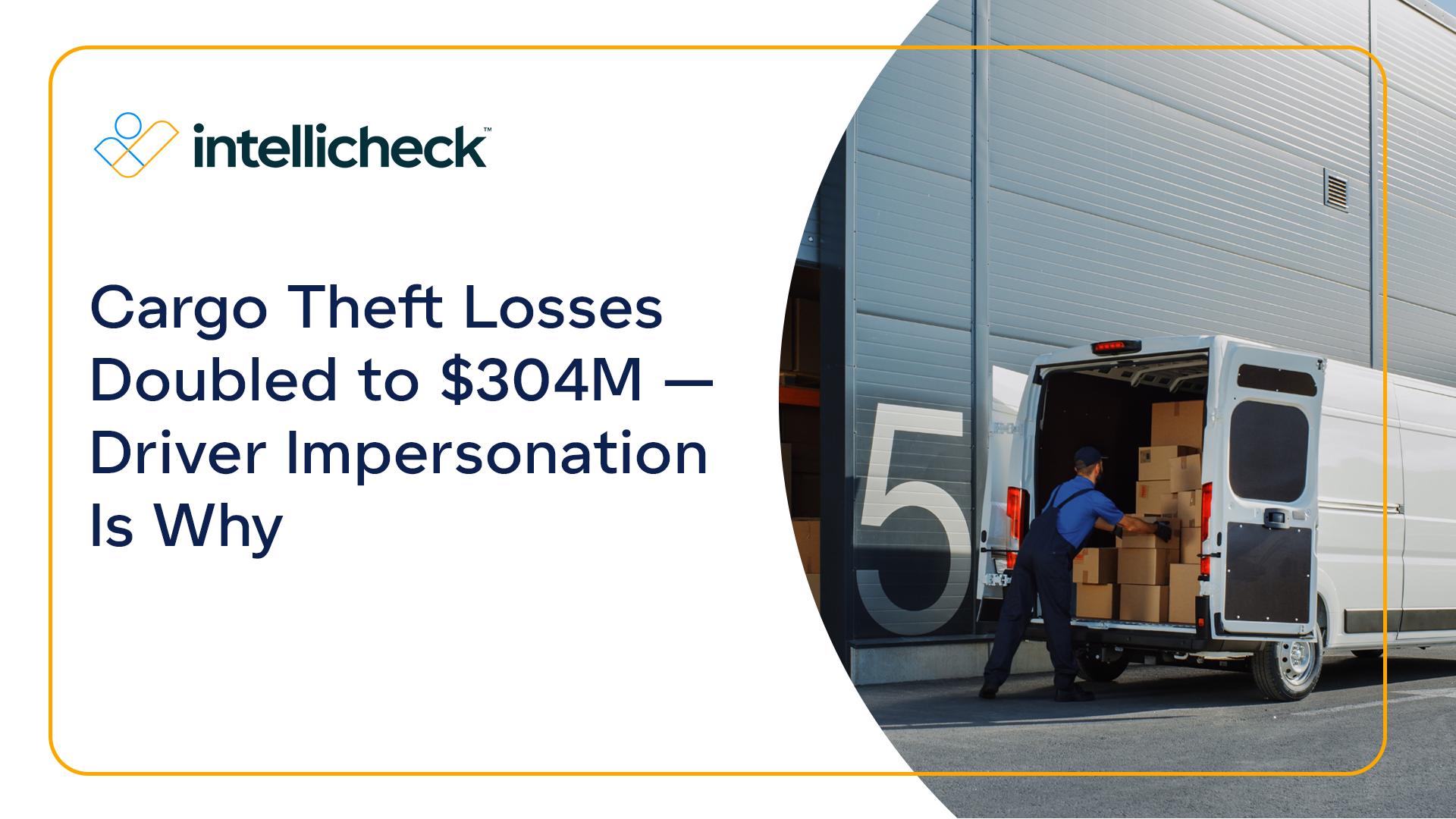
Most of us picture cargo theft as something that happens out of sight: a cut lock, a trailer missing from a lot, a truck that never arrives. The theft of roughly 10,800 bottles of Noble Oak Bourbon from a warehouse outside Philadelphia didn't look anything like that. As FreightWaves reported, the shipment, worth about $500,000, was handed over to people posing as the authorized carrier, through what appeared to be the facility's normal pickup process.
What I find most telling about this case isn't the dollar figure. It's that the pickup was checked, and the checks passed.
How Did Thieves Get a $500K Bourbon Shipment Released?
The thieves arrived with real shipment details and passed every check the warehouse had in place. According to Apogee 21 Holdings, Noble Oak's parent company, the driver presented a driver's license and a purchase order number. Staff didn't recognize the order, so they did what most security teams would want them to do: they called the company's logistics provider, which looked into the trucking company and confirmed the pickup. The freight was loaded, and it left.
When the logistics provider followed up with the trucking company the next day, no one answered. Apogee 21's CEO believes the thieves learned the shipment details ahead of time and knew it was a high-value load. They then posed as the assigned trucking company, down to using a dispatcher's name. Public reports don't make clear whether that trucking company was real or invented, how the logistics provider came to confirm it, or how the thieves got the shipment information. The investigation is ongoing.
Why Is Carrier Impersonation Becoming So Common in Cargo Theft?
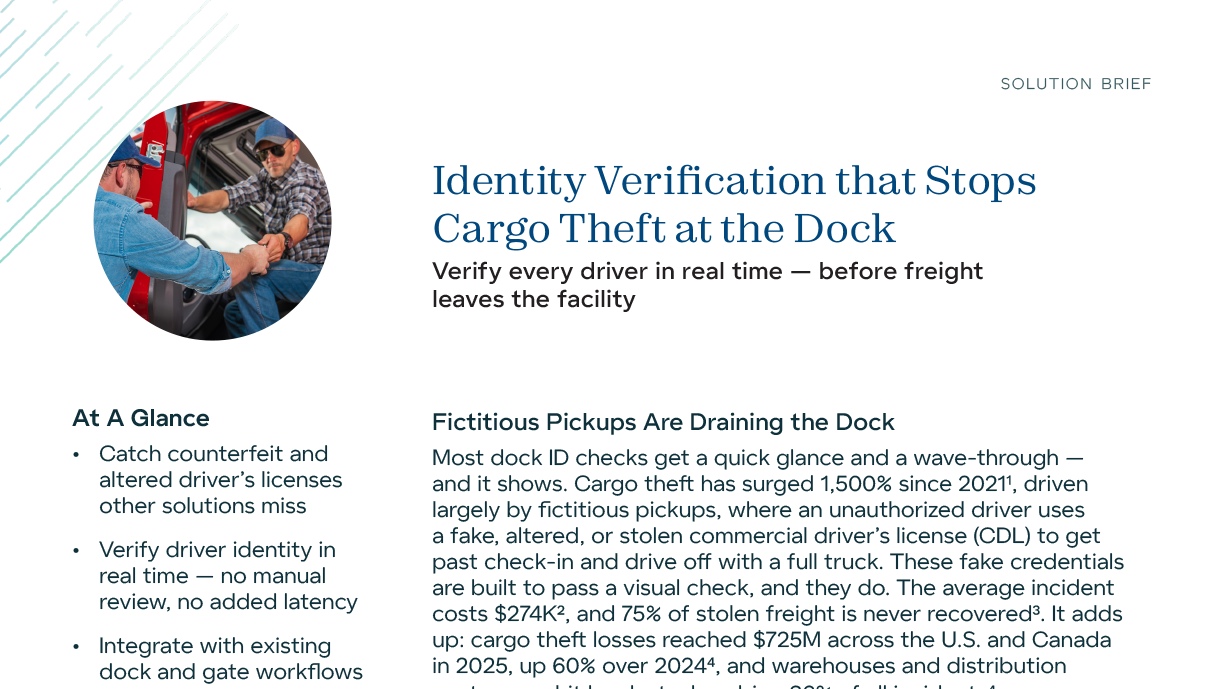
Carrier impersonation is growing because shipment information has become easier to steal than the freight itself. Earlier this year, the Federal Bureau of Investigation (FBI) warned the transportation industry that criminals are getting into broker and carrier systems through spoofed emails, fake websites and compromised accounts, then using what they find to pose as legitimate companies. The FBI estimates that cargo theft losses in the U.S. and Canada reached nearly $725 million in 2025, up 60% from the year before, with the average theft now close to $274,000.
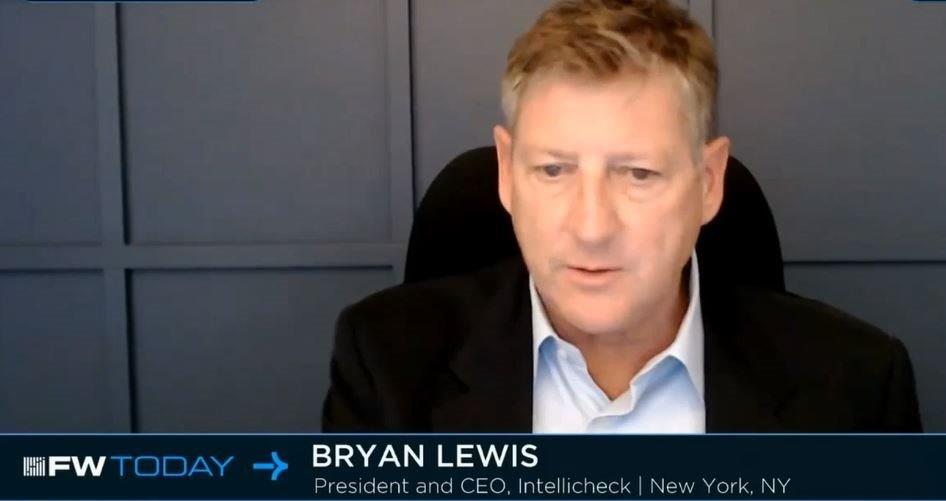
That trend is a big part of what I discussed on FreightWaves Today: identity theft and cargo theft are increasingly the same problem. When load details, purchase order numbers and dispatcher names can be phished out of an inbox, having that information no longer tells you anything about who is actually standing at the dock.
What Did the Bourbon Pickup Checks Actually Verify?
The pickup checks verified the load and the carrier's name, but not the driver's identity. The purchase order number confirmed that a real shipment existed. The call to the logistics provider confirmed that a real trucking company was tied to it. Neither step confirmed that the person holding the paperwork worked for that company, or that the license they handed over was genuine.
The FBI's guidance is to verify pickups through a second, independent channel before releasing a load, and that is essentially what this warehouse did. Out-of-band confirmation is still the right practice. But the details being checked here may have been stolen ahead of time. When that happens, a confirmation call can end up backing the thief's story instead of exposing it. That leaves the driver's ID as the one thing at the dock a shipper can still check independently. A quick look at a license isn't enough, though, because counterfeits are built to pass a visual inspection, and most do.
How Can Shippers and Warehouses Verify the Driver Before Releasing Freight?
Shippers and warehouses can close this gap by authenticating the driver's license itself before any freight is released. Every state DMV builds a hidden security layer into the barcode on its driver's licenses and commercial driver's licenses (CDLs). A standard barcode scan only reads what is printed and confirms it is internally consistent; it doesn't confirm that the barcode was produced by the issuing DMV. Intellicheck authenticates that hidden layer, which counterfeiters can't replicate because it isn't public. And if someone presents a genuine license that belongs to someone else, facial recognition can confirm whether the person at the dock matches the photo on the ID. An accurate decision comes back in seconds, with no manual review, on the devices dock teams already use, and each check leaves a timestamped record of who picked up the load.
That step doesn't replace careful carrier vetting, strong email security or out-of-band confirmation, and it shouldn't. What it adds is what this bourbon pickup was missing: independent verification, at the time of release, that the credential is legitimate and belongs to the person presenting it.
Organized theft groups are getting better at pretending to be legitimate carriers. That’s why verifying the driver at the loading dock is so important. Just because the paperwork checks out doesn’t mean the person picking up the load is who they claim to be. Verifying a driver’s identity takes just seconds, a small step that could prevent a $500,000 load from being stolen.